the epic advantage
with vic keller
You are the path of least resistance
3 min read
Hey Reader,
You're working harder than you ever have. You're putting in the hours, building the thing, figuring it out as you go.
Then you open Instagram, and it seems like everyone else is working 10x harder than you… and getting 10x better results.
Time for a reality check.
Worth Saving
Quote of the Week
Any business can grow. Only a properly designed one can keep growing long after you’re gone.
Audio Advantage
This Week's Insight





Durability Isn’t An Accident
Most businesses run like rivers.
They find the path of least resistance. Everything flows back to the owner. The business moves, sometimes fast, it moves wherever gravity takes it. And gravity, in business, tends to pull toward chaos.
Whether there’s a drought or a downpour, both feel like a natural disaster you’re just surviving.
I’ve watched this pattern over and over:
Owners who build real revenue, real teams, real reputations… and still can’t take a two-week vacation without something flooding. Not because they’re bad operators. Because they built a river.
The founders who actually get free (who can sell, step back, or survive a downturn) aren’t better at working. They are better at designing.
They built canals.
Similar to a river, but intentionally structured. Directed. Built to move water where you decide, not where physics decides for you.
Here’s what I’ve confirmed after studying the greatest operators in the world (Buffett, Bezos, Walton, Ford, Munger):
They’re canal builders, every one of them.
And there were 9 design decisions they all made.
The 9 Decisions of Every Enduring Business Builder
1. They picked the right business terrain first
Charlie and Warren always said the right boat matters more than how hard you row.
The most durable businesses start with favorable economics:
- Predictable demand
- Recurring cash flow
- Structural advantage that time can compound
I’ve lived this. When you build in an industry where the economics are stacked in your favor, you get to make easy decisions again and again. Like paddling on a river that’s already flowing downstream.
2. They made cost advantage a religion
Walmart. Costco. GEICO. Ford’s Model T.
Each one practiced the same ancient playbook: get bigger and cheaper at the same time, and hand the difference to the customer.

Or as Munger calls it: “scale economies shared.”
- Drive costs down.
- Pass savings to customers.
- Create loyalty.
- Repeat.
It’s not glamorous, but it’s unkillable. Efficiency, done with integrity, becomes a flywheel that money can’t buy.
3. They built moats around customer love
Bezos called these “dreamy businesses.”
Customers love them, stay in them, and tell others about them. They can grow huge with less effort than you’d expect, and they earn high returns for decades… As long as you’re obsessed with the customer experience.
The game becomes widening the moat 1 inch at a time: small improvements stacked year after year.
The world’s best operators don’t chase trends; they chase trust.
4. They obsessed over how people feel
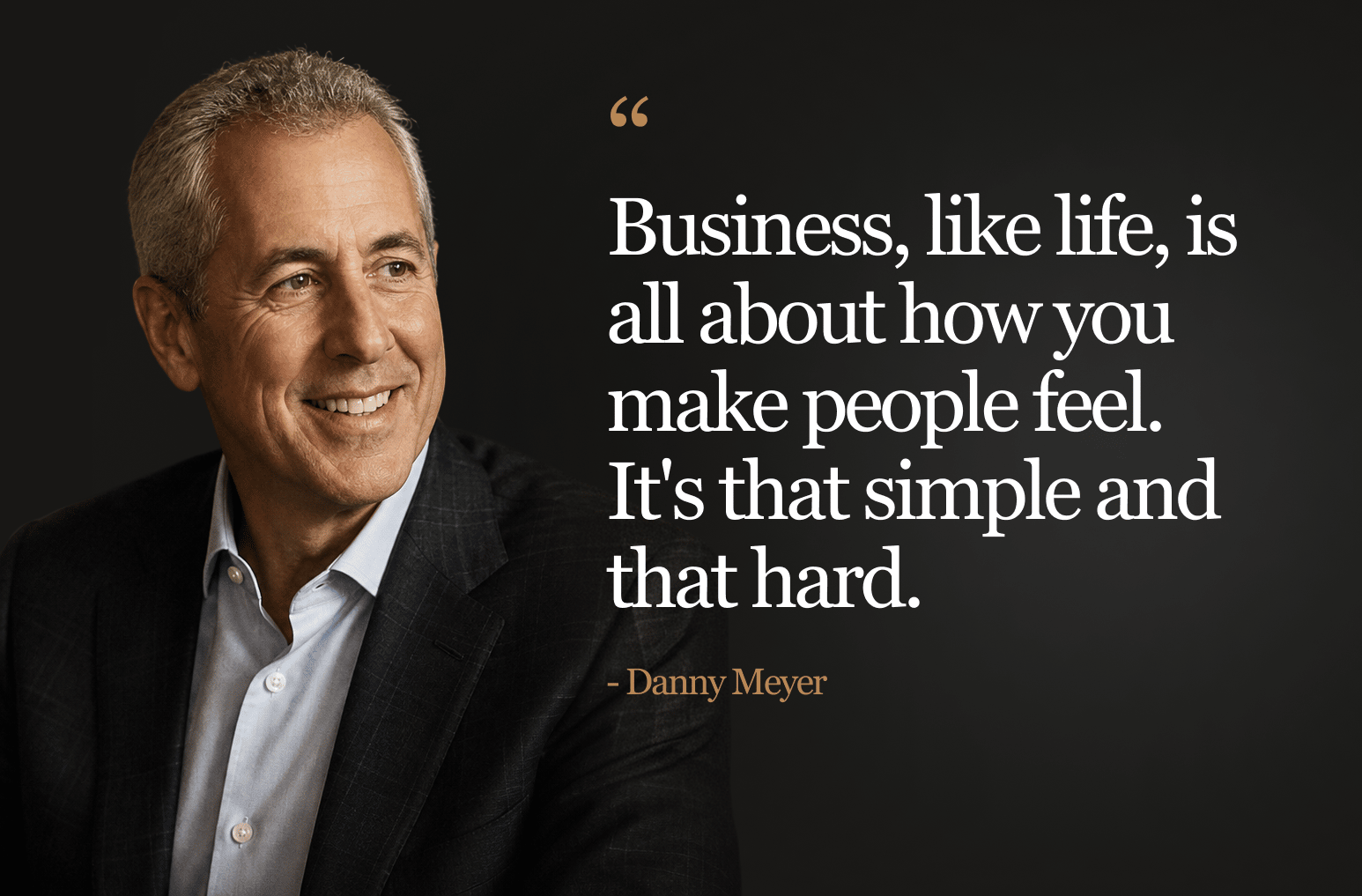
Danny Meyer built restaurant empires on this principle. But hospitality is an entire business strategy.
Durable businesses don’t make things at customers. They make things for them. The experience is part of your product. Emotional consistency is a retention system.
5. They asked the 10-year question before the 10-month question
Too many founders ask:
“Will this help us increase profits by next quarter?”
Not enough ask:
“Will this business still be relevant in 10 years?”
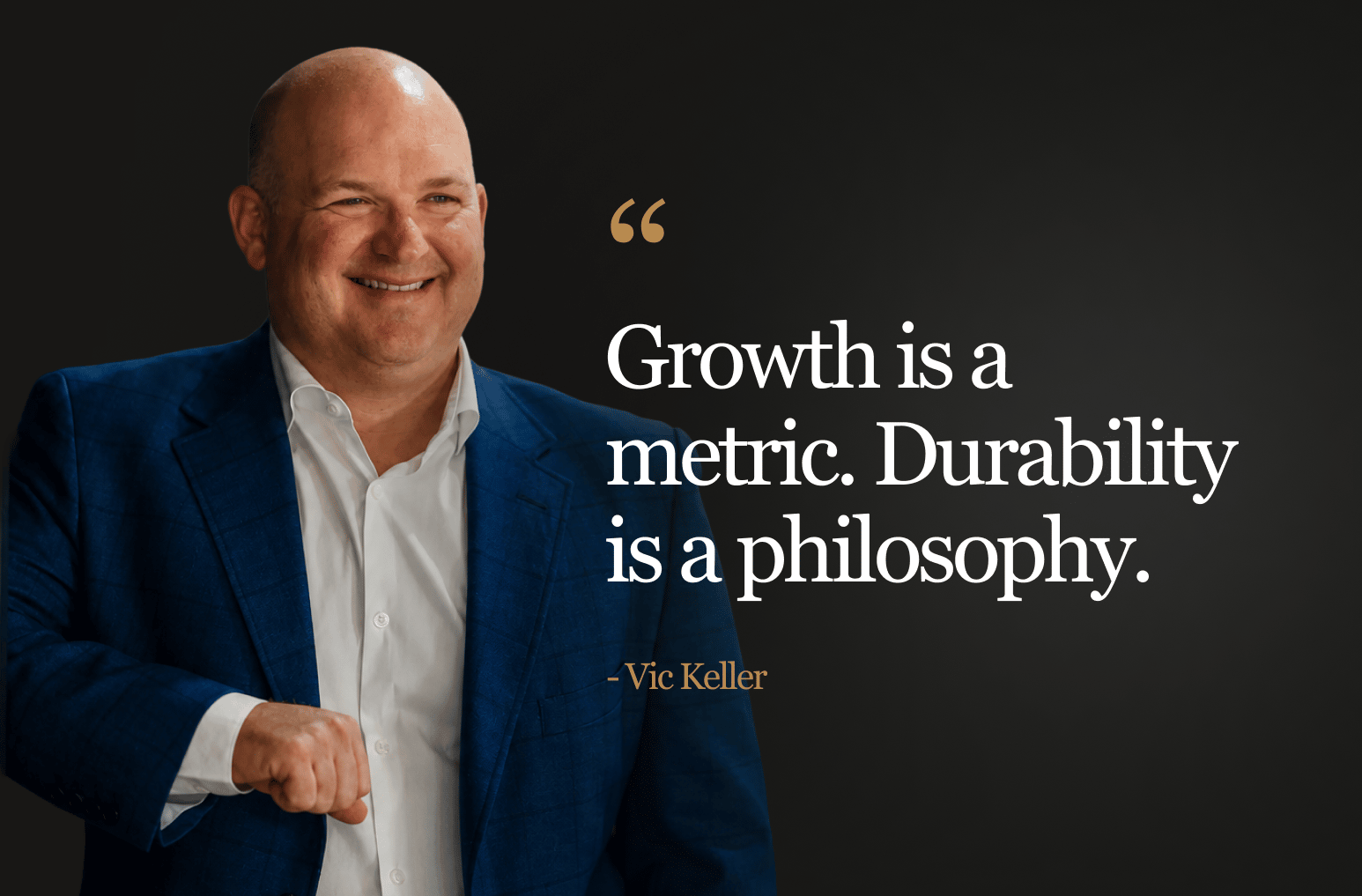
Growth is a metric. Durability is a philosophy.
Durable businesses don’t leave their success to luck or timing. They build around proprietary processes, culture, brand, and systems that compound. That’s the answer to the 10-year question.
6. They kept the founder’s mentality alive
The founder can move on, but the founder’s fire needs to stay.
That mentality – insurgent mission, ownership mindset, and obsession with the front line – is what keeps energy alive.
I’ve seen the flipside of this firsthand. The more layers you build, the more you need to fight for simplicity and speed. Bureaucracy is where energy goes to die.
7. They tested small, doubled down big
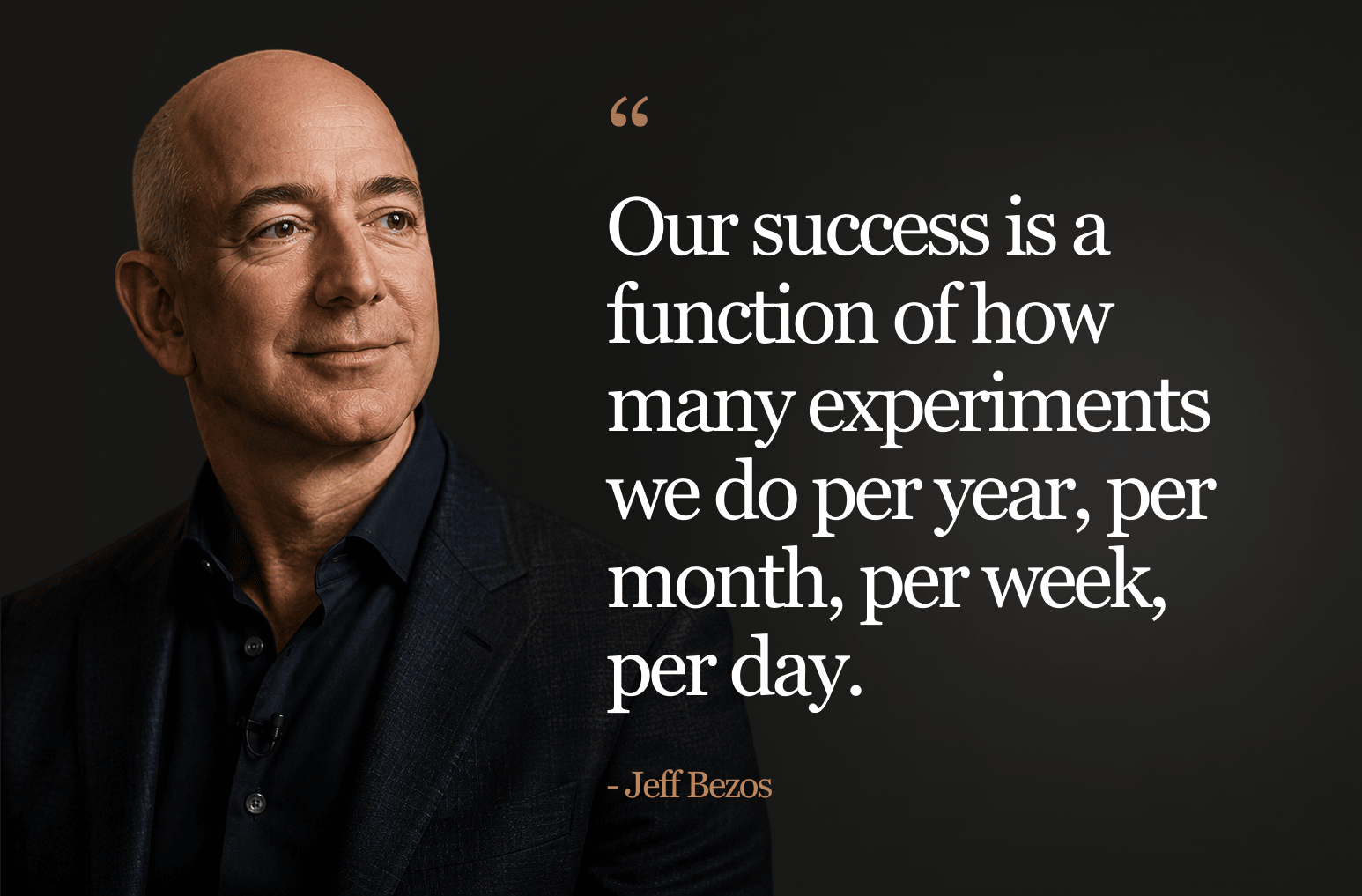
Fail small. Learn fast. And when something works, bet big. That’s how Amazon turned books into everything.
Durability doesn’t mean avoiding risk – it means containing it.
8. They allocated capital like it was the entire job
The CEO’s real job isn’t running the company. It’s allocating capital.
The best in the world – Buffett, Singleton, Malone – all focused on one goal: increase per-share value with every move.
They didn’t follow Wall Street’s applause. They made decisions rooted in discipline, patience, and independence.
Where does the next dollar go? The best founders answer that question like outside investors would.
9. They built with the right partners to start

Every durable business starts with durable people. The partners you pick define your ceiling. Trust and shared purpose are worth more than capital or code.
It is incredibly rare to build a strong business with a weak partner.
Rivers vs Canals
Your business is either a river or a canal right now.
Rivers carve canyons. They’re not nothing. But they flood. They dry up. They’re uncontrollable, and they change course when conditions change.
The businesses worth growing, worth selling, worth leaving to someone else – aren’t naturally occurring.
They’re designed by people who decided what they wanted to build, and then built it on purpose.
P.S. Montana dates are now released. Click here to discover the details.
Next steps
Action is the Advantage
I do not write this newsletter to motivate you. I write it to move you.
So here is what I want you to do this week:
✓ Identify your moat (or your absence of one). If your top competitor cut their price by 20% tomorrow, how many of your customers would stay with you and why?
✓ Answer the 10-year question. “This business will still be relevant in 2036 because…” Fill in the blank. If you can’t, that’s the most important strategic conversation you’re not having.
✓ Reply with your answers & I’ll keep you accountable.
Vic Keller
17x founder. 9 exits. 3 to Berkshire. Subscribe to get the advantage I wish I had when I started.