the epic advantage
with vic keller
What I was actually looking for when you pitched me
3 min read
Hey Reader,
Founder dependency.
It’s the reason you can’t take a day off, the reason your growth feels stuck, and the reason your business will sell for way less than you want someday.
Here are your first 4 steps to fix it.
Worth Saving
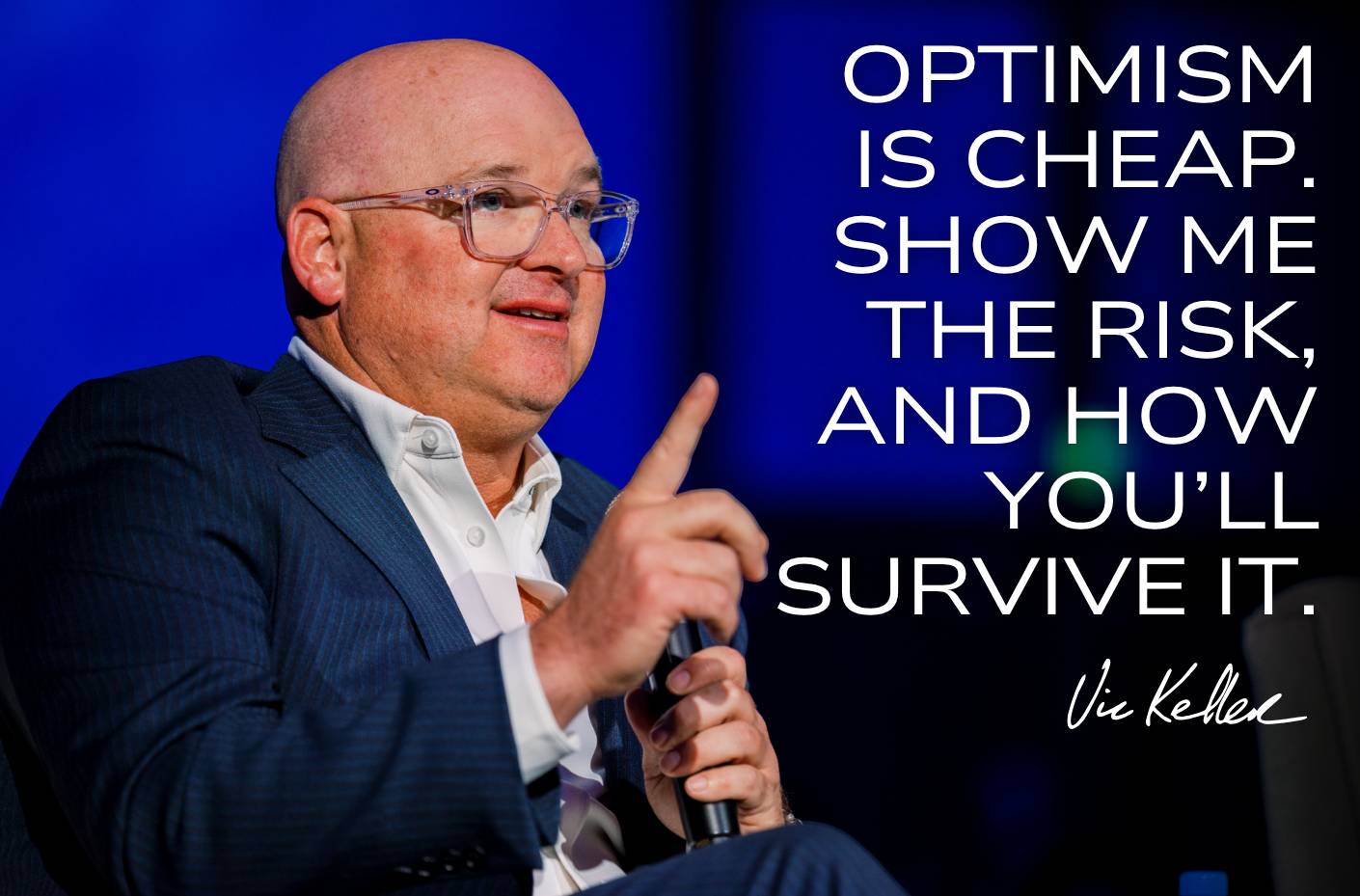
Quote of the Week
You’ll never become investable because of your pitch. You can only prove you already are.
Audio Advantage
This Week's Insight





What I look for in a deal
I shared a lesson in my speech last weekend that I first learned years ago. Allow me to share it with you today.
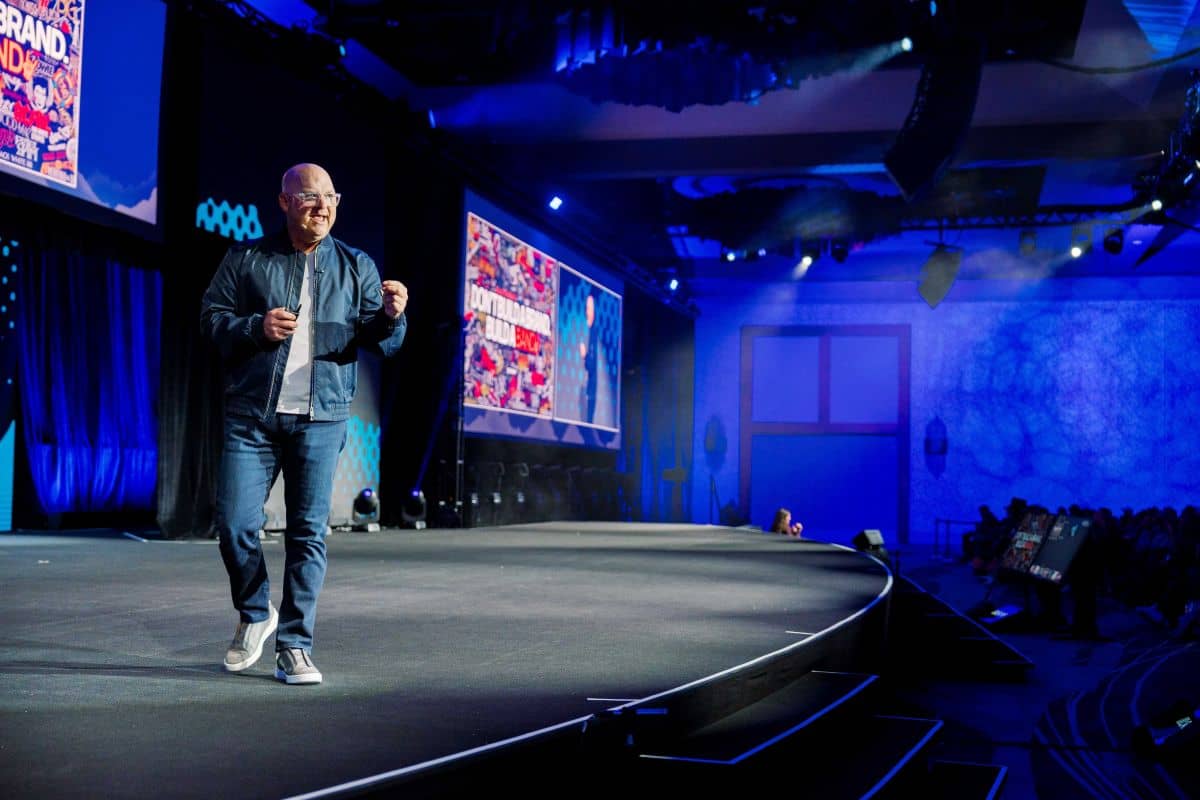
Decades ago, a mentor of mine – a man who went on to build a $10B+ business empire – asked me this question:
What are the three most important things in business?
His answer:
People. People. And people.
I was young. I thought success came from strategy, hustle, a solid plan. He showed me it came from something else entirely.
Over the next two decades, I watched him work. He never stopped interviewing. He always had a yellow notepad. And no matter who he was talking to – a potential hire, a partner, a founder – he was listening, learning, and thinking about people.
That lesson shaped how I’ve built all 17 of my companies.
And it’s the lens I was looking through as these entrepreneurs pitched.
What that looked like in practice
One founder, Christy, stepped up and did something most pitches don’t do.
She didn’t just tell us the opportunity was good. Through how she spoke, what she anticipated, and how she’d structured the deal… she showed us the business was real. And in doing that, she showed us exactly the kind of operator she is.
If the three most important things in business are people, people, and people… Then Christy was the person. She was the deal.
That’s the thing most founders miss.
The pitch isn’t separate from you or your business. It is your business – a live demonstration of how you think, how you’ve prepared, and whether you’ve actually built something that holds up under pressure.

How you get someone like me to listen
So what was I looking for? Same thing I’m always looking for…
1. Show me the business can survive a bad quarter
Not “worst case is still pretty good.” That’s a tell.
What I want to hear is: here’s what breaks first, here’s how often it happens, and here’s exactly what we do when it does. That’s not pessimism – that’s the language of someone who’s actually operated something through a hard stretch.
Founders sell the upside. Operators account for the downside. Capital bets on operators.
2. Show me the revenue has structure
Spiky, unpredictable revenue isn’t a business. It’s a series of transactions hoping to repeat.
A “record year for revenue” doesn’t impress me unless you can explain precisely how next year will repeat it.
What changes the valuation conversation, and the credibility conversation, is recurring revenue. Contracts. Memberships. Retainers. Repeat purchase behavior that doesn’t depend on a perfect month of marketing.
When more than half your revenue renews by default rather than by effort, the business starts to look like a machine and less like a hustle.
3. Show me the people question is answered
Every scalable business eventually becomes a people problem in disguise.
I want to know who runs this thing when you’re not in the room.
Not in theory – specifically. Who are they, what’s their track record, and why are they the right person for that seat?
If you can’t answer that cleanly, it tells me the business is more founder-dependent than the numbers suggest. And founder-dependent businesses carry a risk premium that quietly kills deals.
4. Show me you’ve thought about what this looks like at 3x
Most founders pitch where they are. The ones who earn real attention pitch where they’re going – and show they’ve actually thought through what will break between here and there.
I don’t want to see a hockey stick slide. I want a real answer to: what’s the constraint at the next level, and have you already started solving for it?
That question reveals more about an operator than almost anything else.
The through-line
You don’t need the perfect deck template. You don’t need a trick. You don’t need pitch coaching.
You just need to show me you have nothing to hide behind but a truly durable business.
The only questions I’m asking are ones a durable business can already answer – because the work has been done.
That’s part of what my mentor meant all those years ago. People, people, people. Not because the business doesn’t matter, but because the business is the people who built it. How it’s structured, how it handles pressure, whether it can survive without any single person in the seat.
The founders who walked on stage last weekend and commanded real attention weren’t the better presenters.
They were the ones who'd built something real. And knew how to prove it.
PS: If you are serious about building a durable business that can scale beyond you, click below to join the waitlist and get early access to founding member details.
Next steps
Action is the Advantage
I do not write this newsletter to motivate you. I write it to move you.
So here is what I want you to do this week:
✓ Write down your top 3 failure points, and your response to each.
✓ List your key people. Ask what happens if each one leaves.
✓ Name the one who can run your business for two weeks without you.
✓ Reply with where you’re stuck, and I’ll give you my two cents.
Vic Keller
17x founder. 9 exits. 3 to Berkshire. Subscribe to get the advantage I wish I had when I started.