the epic advantage
with vic keller
Remote work has a hole in it
4 min read
Hey Reader,
If you think hiring is one of your biggest struggles, then you might be part of the problem.
And I hope today’s note gives you a solution.
Worth saving
Quote of the Week
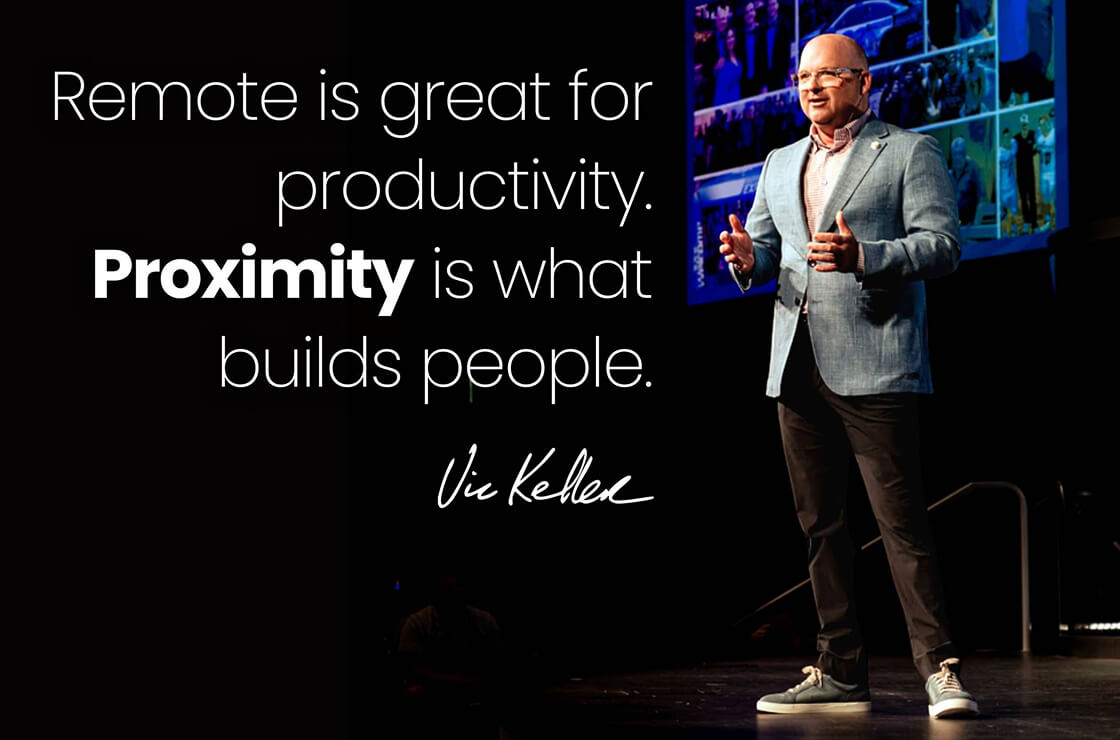
You can't ask for excellence if no one can see what it looks like.
Audio Advantage
This Week's Insight





From my desk
The Remote Talent Gap
I’ve noticed a pattern at my companies:
- We hire someone good.
- First few weeks go smoothly.
- We start to apply pressure…
- Resignation letter.
It doesn’t happen with every hire.
But when it does happen, the situations have one thing in common:
They’re all remote.
It’s made me come to terms with something.
The hardest part of talent today is not finding people.
It is developing them in a world that no longer gives you the natural conditions that make real development possible.
I Like Remote Work
The world has changed, and our expectations around work changed with it.
People want flexibility, freedom, and a healthy balance in their lives.
And as someone who has built multiple global companies, I get it.
I’ve been a fan of remote work for a long time. We were running distributed teams across time zones long before it was common.
There is real efficiency in a globalized workforce with incredible talent advantages, speed, and cost benefits.
Remote is a win for everyone.
But here’s the truth I’ve been wrestling with lately:
It is harder than ever to develop people deeply when they are remote.
Not impossible. Just harder.
And leaders who pretend otherwise are ignoring something important.
The Missing Ingredient You Only Notice When It’s Gone
For better or worse, I spent the first 20 years of my career developing other people – long before I developed myself.
Finding the right people. Pushing them. Elevating them.
It’s the most rewarding part of leadership.
And the hardest.
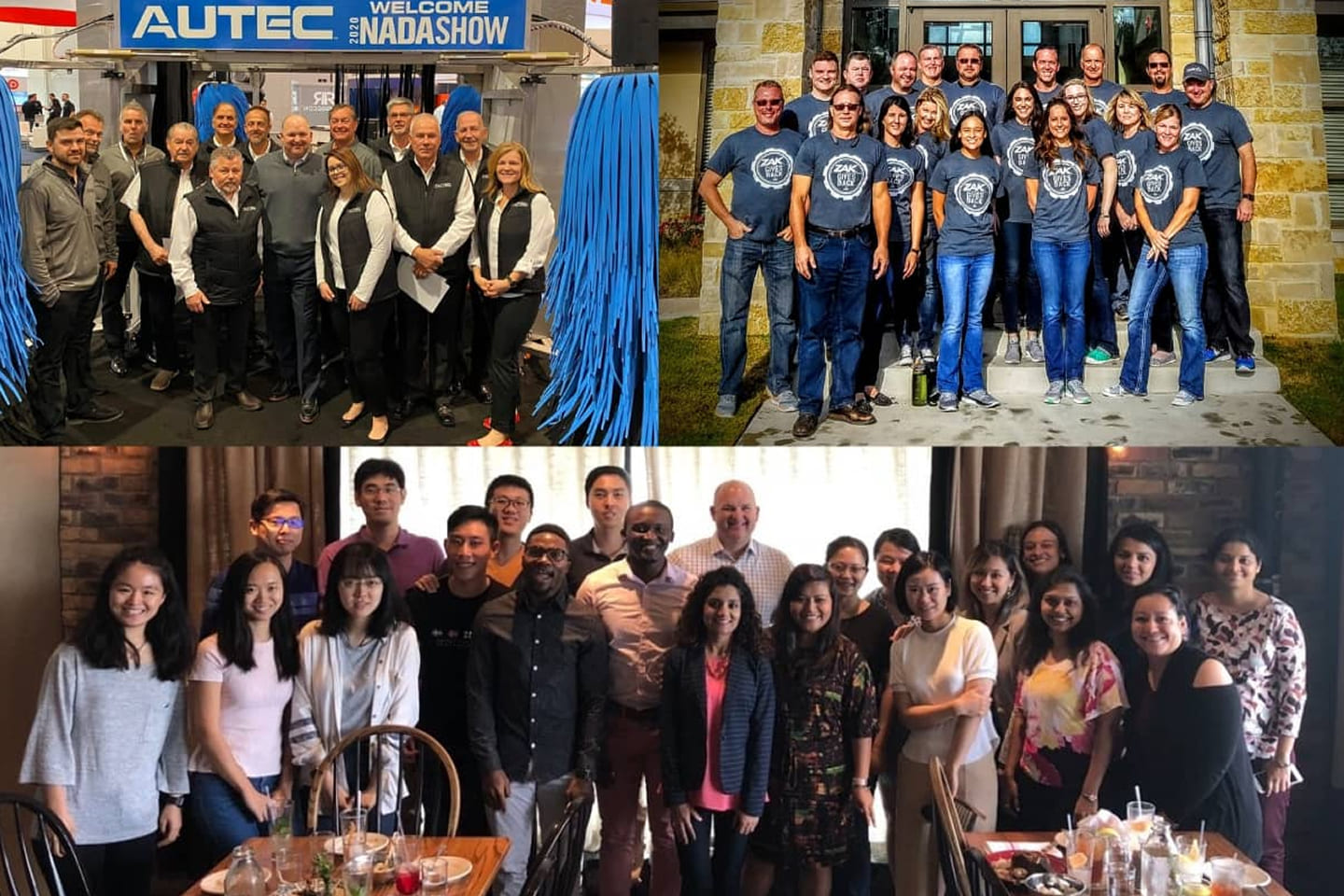
But something has shifted in the last few years, and every serious operator can feel it.
Developing people is relational, not technical. You’re shaping someone’s instincts, confidence, decision-making, cadence, habits, and standards. That doesn’t happen through task lists.
Development is personal and requires proximity.
When people work beside you, they see your pace, your preparation, your calm under pressure, your belief system. They learn by absorption.
Remote work removes that.
The best development in my career didn’t happen because someone lectured me. It came from watching how great leaders operated when things were on the line. I watched how they carried themselves – saw which choices they made under pressure.
That kind of learning is organic and powerful, and it simply doesn’t translate through Slack or Zoom.
The Problem of Pressure
When people show up in the same office, something subtle happens:
You become a human.
Not a boss. Not a title. Not an email signature.
You, the person.
And that earns a different kind of permission.
You can challenge. You can demand better. You can coach in real time. You can see the micro wins and micro struggles.
When extraordinary talent works remotely (especially younger talent), you can only push so far before something breaks.
Not because “kids don’t want to work.” But because remote environments feel transactional. Functional. Almost mechanical.
In person, when your team sees you pushing just as hard, the pressure becomes shared instead of imposed. There’s a big difference between feeling pushed and feeling led.
The best teams are human teams.
And humans grow best together.
That’s the magic of proximity.
And it’s our responsibility as leaders to bring that magic back with intention, clarity, and a commitment to excellence that lifts everyone involved.
The Paradox Every Modern Leader Must Navigate
So here’s the paradox:
I believe in a global, remote-friendly workforce. But also in the power of in-person culture.
Work from home works. But lead from home doesn’t.
Remote workers are more engaged. But less likely to thrive.
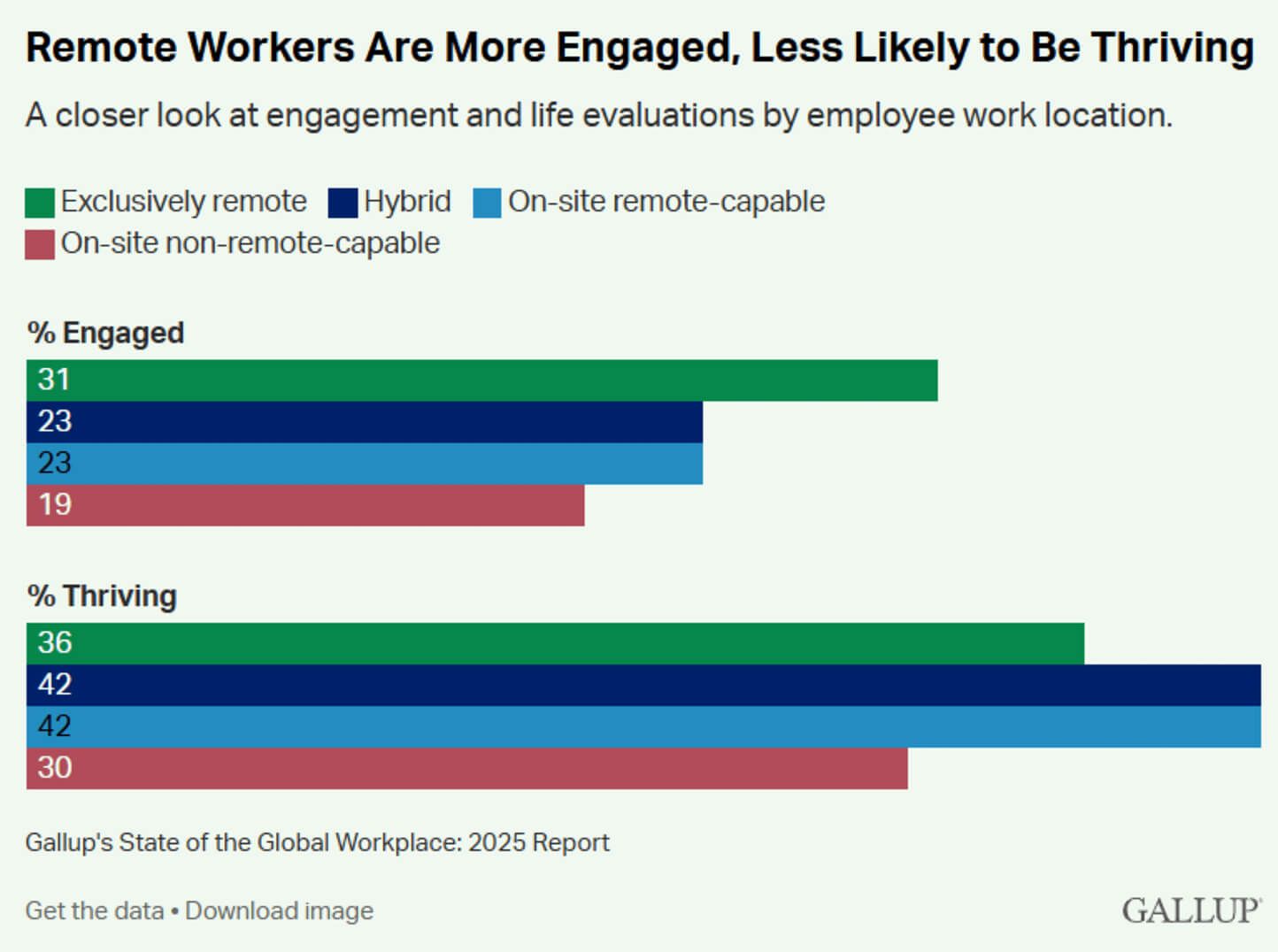
There’s real value in remote teams. But real consequences if we ignore this issue of talent development.
In 5 years:
The companies with no development will fall behind.
You’ll see little innovation. Endless churn. Thin leadership benches. Safe, sanitized, low energy environments that look slick in a deck and feel dead in real life.
In 15 years:
If we collectively miss this, our entire workforce will be weak.
We’ll have people who can click buttons, but not build things.
People who have been hired, but not apprenticed.
We’ll have little depth.
And little resilience.
How To Close The Remote Gap
If you’re struggling to develop your people at the level you hope for, you’re not failing.
You’re facing a structural reality:
Remote is productive.
In-person is meaningful.
The future belongs to leaders who know when each mode gives the best return.
The world no longer rewards companies that operate with dogma. It rewards the ones that operate with discernment.
I’m not advocating for an old-school return to the office.
I’m advocating for something more modern:
Use remote for productivity.
Use in-person for transformation.
Build your team with intentional proximity in mind and you unlock something rare:
A culture that produces extraordinary results without burning people out or breaking them.
Here are the rules I’m following:
- We cannot have big gaps between being together in person.
- Office days can’t be everyone hiding in private offices or on separate Zooms.
- When you’re together, work together.
- In person, we report wins from our time away from the office.
- At home, our work is founded on what we built in the room together.
Hard? Yes. Inconvenient? Absolutely.
But did you think leadership was supposed to be easy?
Building good people always required intention.
Remote just made us forget that.

P.S. I'm hosting a private event and inviting only 20 founders to my home in Montana for two days of deep work on your 2026 plan.
No stage. No fluff. Just real strategy with real entrepreneurs.
Next steps
Action is the Advantage
If you’re like me, your to-do list is long. So I pulled the highest-leverage actions from this week’s newsletter.
Now it’s your turn:
✓ Talk to your leadership team about revisiting a hybrid cadence.
✓ Identify a team member who would benefit from development.
✓ Reply to this email with your plan, and I’ll keep you accountable.
Vic Keller
17x founder. 9 exits. 3 to Berkshire. Subscribe to get the advantage I wish I had when I started.