the epic advantage
with vic keller
How to win in 2026
4 min read
Hey Reader,
When the new year rolls around, most leaders do two things:
Reflect on the past. Make resolutions for the future.
Neither gets them an inch closer to their goals.
That’s why I start the year a little differently:
With people, priorities… and blood.
Worth saving
Quote of the Week
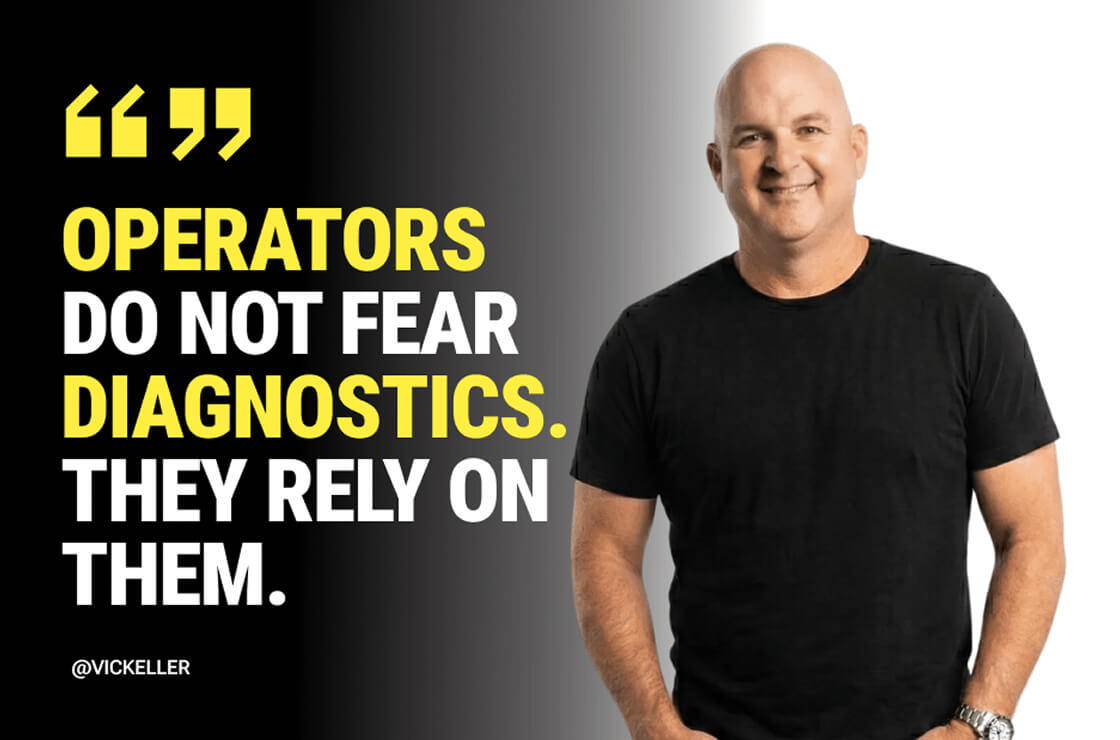
Don't start 2026 with the story you've been telling yourself. Start with data.
Audio Advantage
This Week's Insight





From my desk
How to Win in 2026
I don’t end the year looking backward.
I don’t sit around replaying what didn’t get done. I don’t beat myself up over missed goals. I don’t relive last year trying to diagnose regret.
I look forward. With clarity, data, and excitement.
And oddly enough, one of the most important things I do every year has nothing to do with business on the surface:
I get my blood work done.
Why I Start With Blood Work
At the end of every year, I get a full blood panel and compare it to prior years.
Not a basic physical. Not “you’re fine.” Real data.
I don’t rely on vibes, how I feel, or what the scale says.
I rely on numbers.
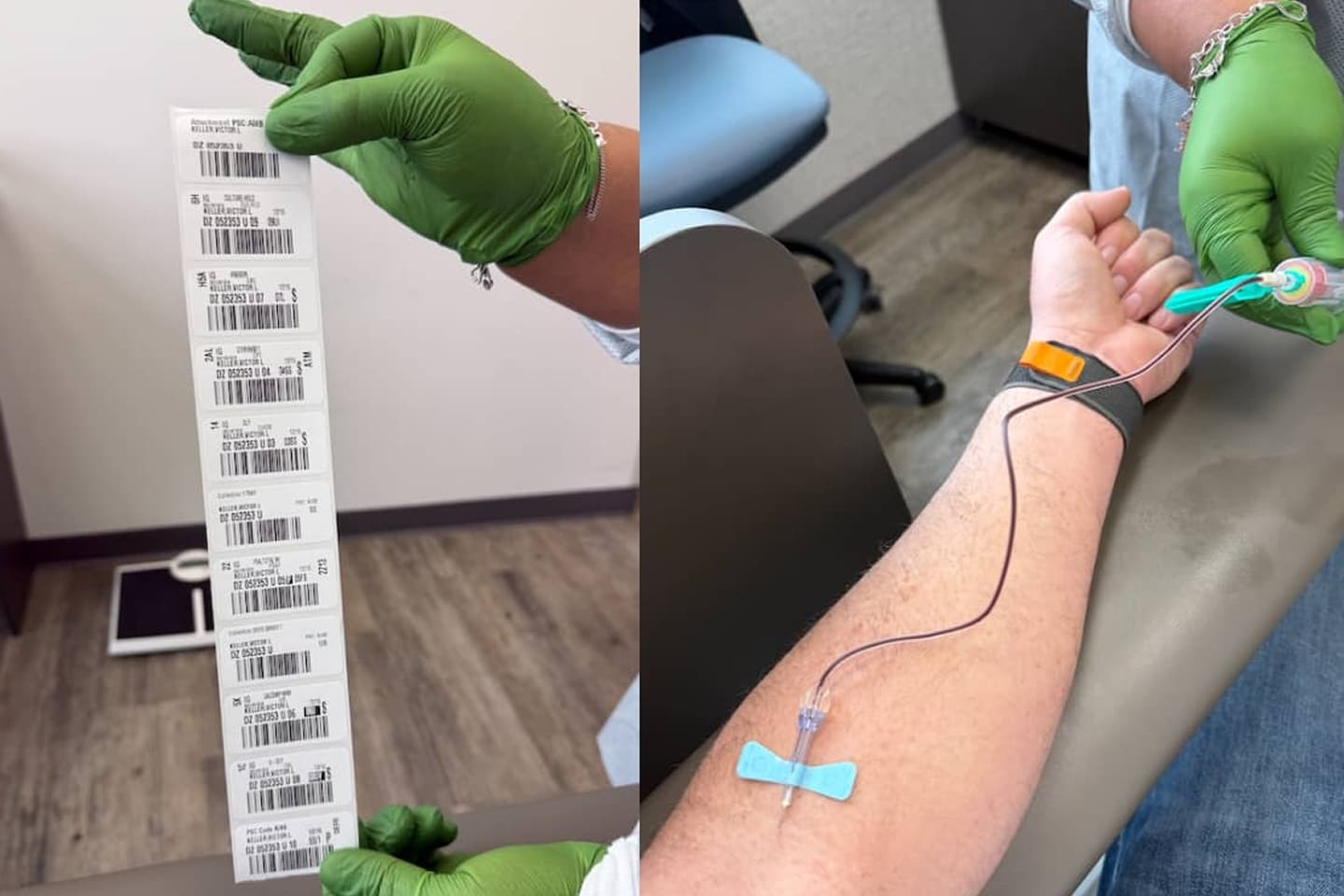
Blood work shows what you cannot feel yet:
- Inflammation before pain
- Metabolic issues before weight gain
- Hormonal shifts before energy crashes
- Cardiovascular risk before symptoms
That is my personal scorecard.
I’m not emotional about it. I’m not defensive. I’m not attached to the outcome.
The point is not judgment. The point is improvement.
That mindset carries directly into how I run businesses.
Doing Blood Work on the Business
I approach my businesses the same way.
I want objective information, not just stories.
I don’t look back at the prior year asking, “What didn’t we get done?”
That question isn’t helpful.
I ask, “What is the data telling me about where we are right now, and what needs to be stronger in order to get where we’re going?”
Revenue alone is not enough. It can hide problems.
Here's the list of "business blood work" I like to check.
Business Blood Work Checklist
Leadership friction
Where do decisions stall because of ego, politics, or unclear authority?
Decision speed
How long does it take to go from proposal to final call on meaningful issues? Simple test: list the last ten real decisions and measure the time to resolution.
Operating cadence
Do priorities get reviewed weekly with clear owners, or only when something breaks?
Accountability
What happens when commitments are missed? Is there ownership, or just explanations?
Energy and urgency
Are leaders pushing the business forward, or constantly chasing motion?
Ownership mindset
Do people solve problems, or immediately escalate them upward?
Culture
What behaviors are quietly tolerated today that would not have been acceptable two years ago?
Talent density
How many people would you fight to keep if the business had to downsize tomorrow?
That is business blood work.
If any of these feel weak now, they will fail under pressure later.
I’ve learned to respect that signal.
This is not about blame.
It is about truth.
Truth is what allows confident forward motion.
The People Audit Comes First
One of the most important assessments I do every year is around people.
Not just the people on my teams. All the people around me.
- Who am I learning from?
- Who is challenging my thinking?
- Where am I spending time that is actually sharpening me?
Some of my mentors know they are mentors. Some have no idea. They might be authors. Speakers. Builders I study. Rooms I sit in quietly and absorb.
We live in one of the greatest periods of learning in human history. There is endless information available.
But information alone doesn’t matter.
What matters is whether the time and energy you’re spending is actually changing how you think and how you operate.
And I assess the people at my companies too:
- What is our team doing to get better?
- What are our leaders doing to grow?
- Are we investing enough in our people, or are we assuming they will magically improve?
Everyone wants to talk about AI, strategy, systems, and discipline. All of that matters.
But none of it works if your people aren’t in the right place.
People are the starting point. Always.
How I Actually Think About Goals
I do write goals down.
Then, if I can be honest here…
I rarely look at them again.
If I have to constantly reread my goals, I have too many of them.
If it truly matters, I don’t forget it.
What I really care about is priority.
Goals are plural. They can be vague.
Priority is singular. It means get THIS done.
I never have more than five key priorities at a time. There may be categories underneath them, but that’s it.
If everything is a goal, nothing is a priority.
At this stage of my life and career, I care far more about building the right rhythm than chasing numbers. When the rhythm is right, the numbers tend to follow.
What Not To Do
This is where most leaders get it wrong:
They create massive to-do lists for the new year because it feels productive.
It isn’t.
Long lists create diluted focus. They give you permission to touch a lot of things and move nothing meaningfully forward.
I do the opposite.
I simplify. Aggressively.
I ask, “If we were forced to focus, what would we stop doing?”
That answer usually reveals the real leverage:
More meetings do not fix problems. More dashboards do not fix problems. More planning does not fix problems.
Clear ownership does. Better people do. Higher standards do.
Do not confuse motion with progress.
Final Thought
Winning in 2026 is not about motivation.
It’s about honesty.
Data. People. Priority.
Just like blood work, the truth might not always be what you want to see, but it’s exactly what you need if you want to get better.
I never look backward with regret.
I look forward with clarity and excitement.
That’s how years are won.

Next steps
Action is the Advantage
If you’re like me, your to-do list is long. So I pulled out the highest-leverage actions from this week’s newsletter.
Now it’s your turn:
✓ Compare 1 stat in your business today vs Dec 2024.
✓ Write down 1 priority for the next 12 months.
✓ Assess 5 people you learned from this year.
✓ Reply with your answers, and I’ll keep you accountable.
Vic Keller
17x founder. 9 exits. 3 to Berkshire. Subscribe to get the advantage I wish I had when I started.